Assessing Socioeconomic Impacts of Transport Infrastructure Projects in the Greater Mekong Subregion
Susan Stone
Anna Strutt
Thomas Hertel
Abstract
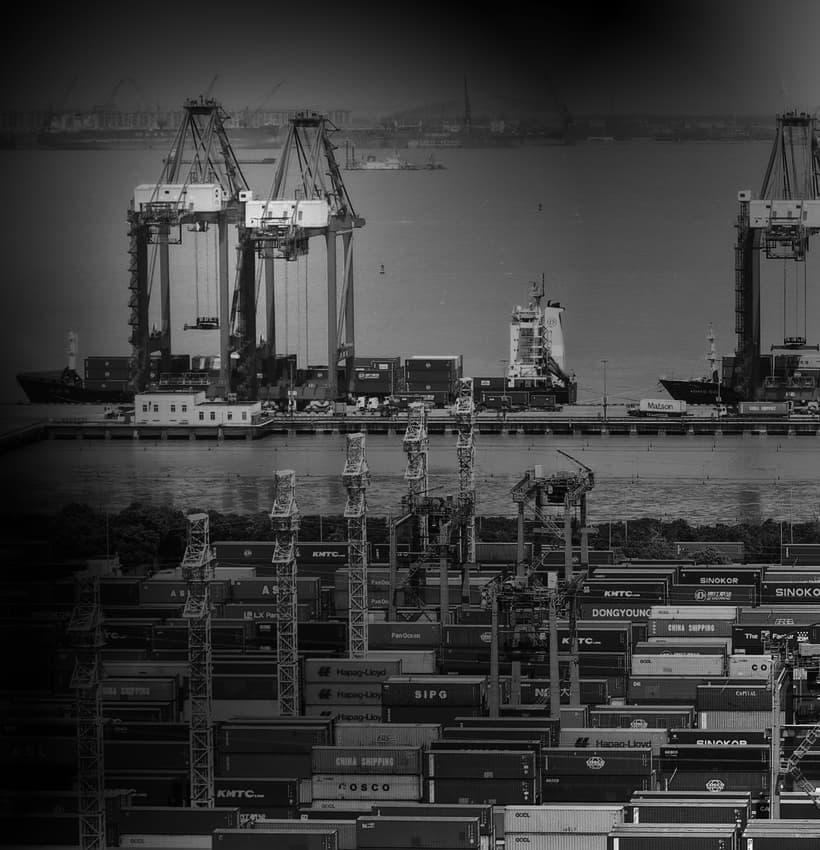
This study attempts to quantify the links between infrastructure investment and poverty reduction using a multi-region general equilibrium model, supplemented with household survey data for the Greater Mekong Subregion (GMS). Infrastructure investment is an important step in economic development, with improvements in transportation infrastructure boosting economic opportunities throughout the region, for example by significantly reducing travel times and costs. In this study, we concentrate on quantifying the effects of some of the key linkages between upgraded infrastructure, economic growth, and poverty reduction. We model the impact of both reducing transport costs and improving trade facilitation in the GMS. Our findings suggest strong gains to the GMS countries as a result of infrastructure development and trade facilitation with national poverty reduced throughout the region. However, the impact on various segments of these populations differs, depending in part on factor returns.
CONNECT WITH THE WORLD'S
TOP ASIA ANALYSTS
Sign up to receive free daily think pieces from leading analysts or our weekly digest, that includes our editorial and a collection of recent articles in brief.