Improving the Business Climate in NTT: The Case of Agriculture Trade in West Timor
Widjajanti Isdijoso Suharyo
Nina Toyamah
Adri Poesoro
Bambang Sulaksono
Syaikhu Usman
Vita Febriany
Harry D.J. Foenay
Rowi Kaka Mone
Thersia Ratu Nubi
Yakomina W. Nguru
Abstract
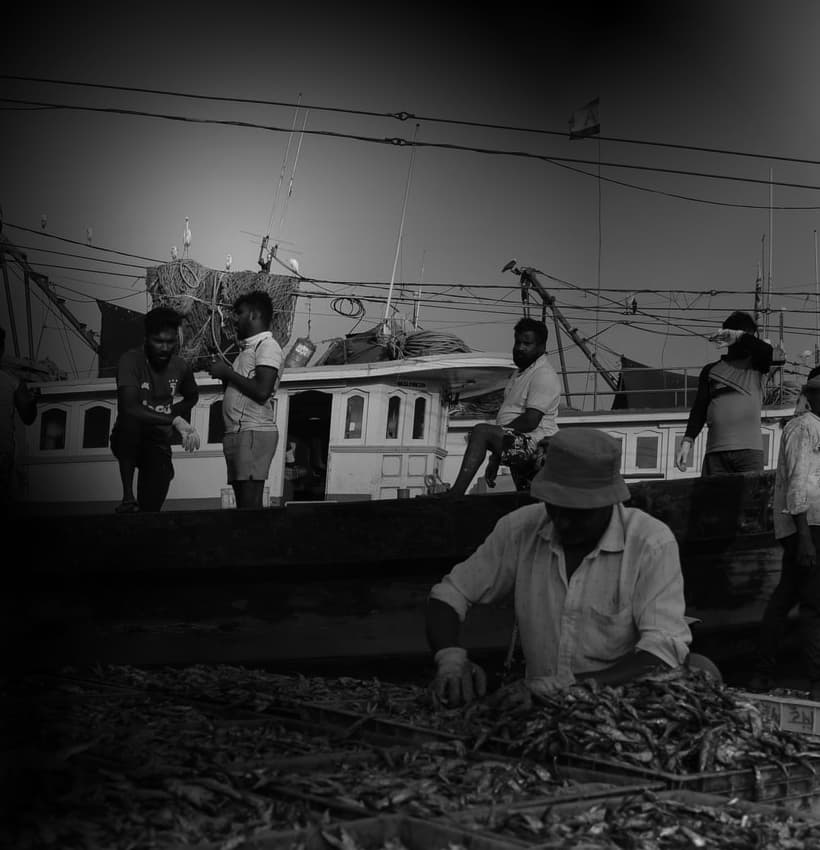
Efforts to improve the business climate in East Nusa Tenggara (NTT) Province are still facing significant obstacles. Moreover, a healthy business climate is needed to create conditions conducive to hastening development, increasing the employment field, and adding to local revenue. In June-August 2006, SMERU conducted a study of the business climate in NTT, concentrating on four districts and one city in West Timor. The study aims to identify various government policies at the central, provincial, and district/city level, which are directly and indirectly related to market structure, the flow of goods, fee structures, and prices received by producers and traders of agricultural products. The study also examines the impact of various agricultural product charges on provincial and district/city local revenue. The information and data was gathered from various respondents, including producers (farmers, livestock producers, fishermen, and home industry operators); traders (intermediate traders to exporters); as well as relevant government offices and agencies. The main finding of the research is that district/city local governments in West Timor are still attempting to increase local revenue by imposing various charges on the trade of agricultural commodities, although the total charges are currently lower than the period prior to 1997. Forestry products and large livestock (mainly cattle) attract the most charges. The study made several other findings. Firstly, in an effort to avoid a central government regulation that limits the total charges, the NTT local government has endeavored to reinvent charges as third party contributions or administration fees. Secondly, although the impact of official charges on the local budget (APBD) is relatively small, it can trigger the emergence of various unofficial charges, or bribes. Thirdly, agricultural producers generally have small-scale enterprises and weak bargaining powers as selling prices are still determined by several big inter-island tradersthus forming a monopsony environment.
CONNECT WITH THE WORLD'S
TOP ASIA ANALYSTS
Sign up to receive free daily think pieces from leading analysts or our weekly digest, that includes our editorial and a collection of recent articles in brief.